
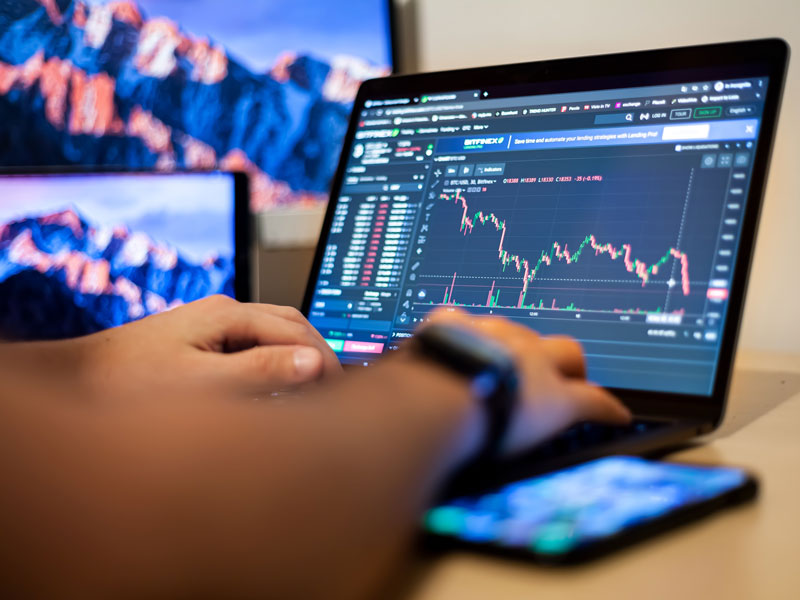
In the fast-paced world of Forex trading, many traders are continually seeking ways to improve their trading strategies and maximize their returns. One of the most significant innovations in this field has been the advent of trading robots. These automated systems can analyze market data, make trades based on predetermined criteria, and significantly enhance trading efficiency. As you dive into the realm of Forex trading robots, it’s essential to consider the options available to you, including resources like forex trading robots Saudi Arabia Brokers that can support your trading ambitions.
What are Forex Trading Robots?
Forex trading robots, also known as expert advisors (EAs), are software programs that utilize algorithms to execute trades automatically on behalf of the trader. These robots can operate 24/7, making them particularly advantageous for the Forex market, which is open around the clock. The algorithms used in these robots are designed to analyze market trends, historical data, and real-time information that guide their trading decisions.
The Benefits of Using Trading Robots
One of the primary advantages of employing Forex trading robots is their ability to eliminate emotional trading. Human traders can often let emotions cloud their judgment, leading to impulsive decisions. However, robots operate based on data and predetermined strategies, providing a disciplined and objective approach to trading.
Another significant benefit is the speed at which trades can be executed. In the Forex market, opportunities can arise and disappear in seconds. Trading robots can respond to market changes much faster than a human trader, allowing them to capitalize on favorable conditions without delay.
Additionally, trading robots can handle multiple currency pairs simultaneously. This ability to diversify trading strategies across various markets can lead to increased profitability and reduced risk exposure.
Types of Forex Trading Robots
There are several types of Forex trading robots, each designed to meet different trading styles and strategies. Here are a few of the most common types:
- Trend Following Robots: These robots are designed to identify and capitalize on market trends. They typically open buy or sell positions based on established trends and can close trades when the trend shows signs of reversal.
- Scalping Robots: These robots aim to make small profits on minor price changes. Scalping requires fast execution, and these robots are designed to make multiple trades in a short time frame.
- Range Trading Robots: These systems capitalize on price fluctuations between defined support and resistance levels. They buy when the price is near support and sell when it reaches resistance.
- News Trading Robots: These bots analyze the impact of news events on currency prices. They execute trades based on economic indicators and news releases that typically cause significant market shifts.
Choosing the Right Forex Trading Robot

Selecting the most appropriate Forex trading robot requires careful consideration. Here are some factors to keep in mind:
- Performance History: Look for robots with verifiable performance records. Many platforms provide backtesting results that demonstrate the effectiveness of the trading strategies employed.
- Ease of Use: A user-friendly interface is crucial, especially for novice traders. Opt for robots that are easy to set up and require minimal technical knowledge.
- Customer Support: Reliable customer service can help address any issues that arise while using the robot. Check for support options such as live chat, email, or phone assistance.
- Cost: Some trading robots require a one-time purchase, while others operate on a subscription basis. Assess the costs involved and consider whether the potential returns justify the expense.
Strategies for Success with Trading Robots
While trading robots can significantly boost trading efficiency, their success is not guaranteed. Implementing effective strategies is essential to optimizing their performance. Here are some strategies to consider:
- Backtesting: Before deploying a trading robot in live markets, conduct extensive backtesting to analyze its performance under various market conditions. This process can help identify potential weaknesses in the robot’s strategy.
- Diversification: Use multiple trading robots with different strategies to maximize opportunities and minimize risks. Diversifying your trading approach can lead to more balanced portfolio performance.
- Regular Monitoring: Even though trading robots operate autonomously, regular monitoring is crucial. Keep an eye on their performance and be ready to make adjustments as market conditions change.
- Risk Management: Implement robust risk management practices, such as setting stop-loss orders and position sizing to avoid substantial losses.
The Future of Forex Trading Robots
As technology continues to evolve, the landscape of Forex trading robots is likely to experience significant advancements. The integration of artificial intelligence and machine learning algorithms will likely enhance the decision-making capabilities of these robots.
Additionally, the increasing popularity of social trading and copy trading suggests that Forex robots might incorporate elements of community-based strategies, allowing users to share and optimize their trading practices collectively.
As traders become more sophisticated, the demand for more personalized and adaptive trading solutions will likely rise. The future of Forex trading robots looks bright, promising greater efficiency and profitability for traders worldwide.
Conclusion
In conclusion, Forex trading robots represent a revolutionary tool that can enhance trading strategies and improve decision-making processes. While they offer numerous benefits, successful trading with robots requires careful selection, effective strategies, and ongoing monitoring. By understanding the capabilities and limitations of trading robots, traders can effectively harness their potential to maximize profitability in the ever-evolving Forex market.