
Metromile Car Insurance – complete guide to Metromile Car Insurance benefits and drawbacks
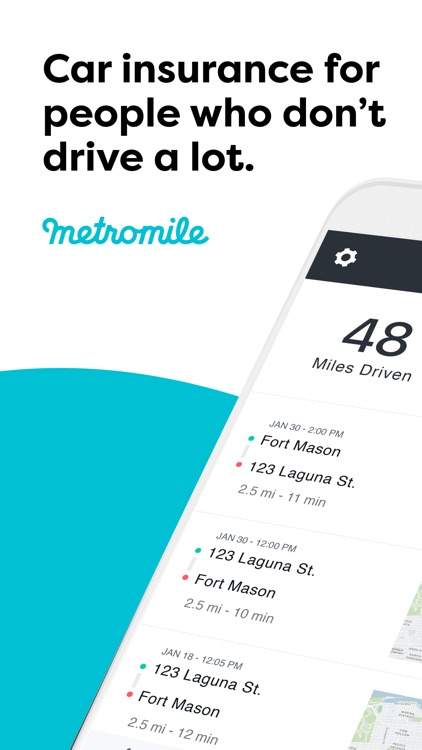
Choosing a pay-per-mile agreement can significantly lower expenses for those who drive infrequently. This model allows individuals to pay based on the actual distance traveled, making it an appealing option for low-mileage drivers. However, understanding the intricacies of such plans is vital to determine their overall fit for your driving habits.
On one hand, a pay-as-you-drive option can lead to savings, especially where usage is minimal. The billing structure computes charges based on each mile, potentially eliminating the financial burden for those who use their vehicles sporadically. This form of coverage also often comes equipped with advanced tracking technologies that provide insights into driving patterns.
Conversely, there are potential pitfalls. The reliance on mileage can lead to increased costs for those who may exceed estimated limits or find themselves needing to travel more frequently than anticipated. Additionally, the technology that tracks usage may raise privacy concerns among users. Weighing these factors carefully will ensure a more informed decision aligned with your driving needs.
Understanding Pay-Per-Mile Pricing Model
Choose a pricing structure where costs correlate with actual usage. In a pay-per-mile framework, you pay a base fee plus a charge for each mile driven. This can lead to significant savings for those who drive less frequently.
- Base Fee: Expect to pay a fixed monthly rate, which covers your policy’s ongoing administrative costs.
- Per-Mile Charge: This cost varies by provider, typically ranging from $0.05 to $0.10 per mile. Monitor your mileage to anticipate monthly expenses.
- Tracking Technology: Utilize devices or apps for accurate mileage tracking. Ensure you understand how your provider captures this data.
This pricing method is particularly appealing for urban dwellers or those with minimal driving habits. Assess your weekly or monthly mileage to evaluate potential savings compared to traditional models.
Be aware of potential downsides. Increased driving may lead to higher costs than expected, particularly if your driving patterns change. Keep track of how fluctuations in mileage might impact your budget.
Compare options thoroughly. Look for reviews and testimonials from current users to better grasp experiences regarding customer service and claims handling. Ensure the overall package aligns with your driving habits and financial expectations.
Review terms and conditions closely before committing. Clarify any hidden fees or additional charges that could affect your overall cost. Understanding the intricacies of this model can lead to informed decisions.
Analyzing Customer Support and Claims Process
To maximize your experience, utilize the online platform at https://metromilecarinsurance.com/ for streamlined access to assistance and claims management. Submit claims through their app, which allows you to track the status in real-time, providing transparency throughout the process.
Customer support operates via multiple channels, including chat and phone, ensuring accessibility. However, users have noted occasional delays in response times, particularly during peak hours. For urgent issues, using the chat feature often results in quicker interactions compared to phone support.
Claims submission requires detailed documentation and can be time-consuming if all necessary information isn’t provided upfront. Customers should ensure all relevant details are included to reduce back-and-forth communication, expediting resolution times.
Consider checking online forums for recent experiences shared by others. This can offer insights into common pitfalls and efficient practices. Engaging with the community can also help in understanding how to handle different situations effectively.
Regular updates are communicated via email, which is useful but can lead to information overload. Setting preferences for alerts can help manage the volume of correspondence.
In summary, while there are areas for improvement in response times, the online tools and resources available enhance the experience. Proper documentation and proactive management of your claims can lead to a smoother process.
Evaluating Coverage Options and Limitations
Assess the specific protection provided for your needs. Generally, look for options that allow you to tailor your plan based on your unique driving habits. Pay attention to whether the policy covers theft, collision, liability, and personal injury. Review deductibles carefully; lower deductibles often increase your monthly payment.
Understanding Policy Restrictions
Identify exclusions that can limit your coverage. Some services may not include rental reimbursement or roadside assistance unless explicitly stated. Check if there are mileage limits, as excessive driving could impact your premiums or coverage. Understand the implications of state-specific regulations that might affect your policy.
Evaluating Additional Features
Investigate optional add-ons that enhance your protection. For instance, consider options for gap coverage if you’re financing a vehicle. Theft protection may offer extra peace of mind. Ensure you clearly understand any associated costs and how these additions fit your overall budget.
FAQ:
What are the main benefits of Metromile car insurance?
Metromile car insurance primarily offers pay-per-mile coverage, which can significantly reduce costs for drivers who do not use their cars frequently. With this model, policyholders pay a base rate along with a fee per mile driven. This can be especially appealing to city dwellers or those who work from home. Additionally, Metromile provides a user-friendly mobile app that offers features such as tracking driving habits and potential savings, as well as a claims process that can be managed through the app. These conveniences cater to modern consumers looking for flexibility and accessibility in their insurance plans.
Are there any drawbacks to consider with Metromile car insurance?
One notable drawback of Metromile car insurance is that it may not be the best option for high-mileage drivers. If someone drives long distances regularly, the costs can add up and may exceed traditional insurance rates. Additionally, coverage may vary by state, meaning some features or benefits could be limited based on where you live. Some users also report that customer service response times can be slow, which might detract from the overall experience during claims processing. It’s crucial for potential customers to assess their driving habits and compare options before deciding.
How does Metromile handle claims, and is it user-friendly?
Metromile streamlines the claims process through its mobile app, allowing users to report accidents or damages directly from their smartphones. After submitting a claim, drivers can upload photos and documents, making it easier and quicker to get started on the claims process. However, the efficiency of claims can vary, and some users have reported delays, particularly in more complex cases. While the app’s interface is designed to be straightforward, user experiences can differ, and individuals should read reviews or ask current customers about their experiences to get a better understanding.
What should someone consider before switching to Metromile car insurance?
Before making the switch to Metromile car insurance, it’s advisable to evaluate your driving patterns and mileage. If you are a low-mileage driver, Metromile could provide substantial savings; however, frequent drivers may find more economical options with traditional insurers. Additionally, prospective customers should explore the coverage options available in their state, as benefits can vary significantly. It’s also worthwhile to read customer reviews regarding claims experience and customer service quality. Comparing quotes from other insurance providers can help ensure you are making the right choice based on both price and service quality.
Reviews
Kevin Davis
If you think this insurance is a smart idea, maybe you should just drive around in circles waiting for a brain cell to kick in.
SunnySmile
Is the thrill of saving pennies worth the agony of tracking miles?
Kevin
So, let me get this straight: we’re discussing a car insurance model that charges you based on how much you drive? Genius! Why didn’t anyone think of that before? I mean, who wouldn’t want to pay less for being a couch potato behind the wheel? But, seriously, do we really trust an app to track our every move? It’s like having a backseat driver who’s also your accountant. And what about those quirky moments when life throws you a curveball—like getting stuck in traffic for an eternity? Does that mean you’re suddenly a high-risk driver? Ha! I can see the benefits, but have we considered the minor detail of those idyllic road trips that could cost you a fortune if the miles add up? So, what do you think? Are we all ready to hug our insurance provider and say “I love you” for charging us based on our Netflix binge-watching habits? Or are there still a few speed bumps we need to discuss?
ShadowWolf
Isn’t it curious how a service that charges by the mile might lead to drivers becoming more paranoid about every extra block they drive? With the thrill of saving money tied to a fear of increasing premiums, are we really getting a fair shake? And what about the potential for underinsurance in those who fall in love with the idea of cutting corners? Isn’t it a bit ironic that a system meant to provide flexibility could instead trap us in the anxiety of constant calculations? At what point does cost-saving innovation blur into a exploitative scheme?
Alex Johnson
So, let’s weigh this brilliant idea of paying for insurance based on how much we drive. Perfect for those who love sitting at home! But hey, who needs coverage when you can save a few bucks, right? Just don’t mind the risks when you finally venture out. It’s like a lottery – drive less, win more… until you actually need it! Sure, you’ll save on premiums, but when you hit the road, better hope it’s a smooth ride. Who doesn’t love a little gamble with their safety? Sounds like a winning strategy!
NerdyChic
Who knew my car could have a better social life than me? I mean, with Metromile, it’s like I’m sharing my insurance policy with a thousand tiny insurance agents living in my odometer. Drawbacks? Sure, but at least my car won’t ghost me like my last date!