
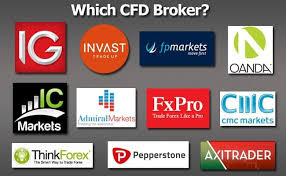
What is Best CFD Trading?
Contract for Difference (CFD) trading has gained significant popularity among traders looking to capitalize on market movements without owning the underlying asset. As a trader, understanding what is best CFD trading can dramatically influence your profitability and trading strategy. With the right information, strategies, and tools, trading CFDs can be both rewarding and manageable. In this article, we will delve into the fundamental aspects of CFD trading, explore some of the best practices, and help you find a suitable broker to kickstart your trading journey. For further insights, you can visit what is best cfd trading platform bestbrokercfd.com.
Understanding CFD Trading
A CFD is a financial derivative that allows traders to speculate on the rising or falling prices of various assets, such as stocks, indices, commodities, or currencies, without actually owning them. The key advantage of CFDs is that they provide leverage, meaning you can open a larger position than your initial capital would otherwise allow. This leverage can amplify both gains and losses, making it essential for traders to understand their risk exposure.
Advantages of CFD Trading
When considering what is best CFD trading, it’s important to first evaluate the advantages it offers:
- Leverage: CFDs often allow traders to control a larger position with a smaller amount of capital. This can lead to potentially higher returns.
- Diverse Asset Range: CFDs are available for various asset classes, including stocks, currencies, commodities, and indices, giving traders the flexibility to diversify their portfolios.
- Short Selling: Traders can profit from falling markets by selling CFDs, a feature that is particularly appealing in bearish market conditions.
- No Ownership of Underlying Assets: Since you do not own the assets, you are not subject to the costs and responsibilities associated with ownership (like dividend payments or asset storage).
Best Practices for CFD Trading
To maximize your success in CFD trading, consider the following best practices:
1. Educate Yourself
Before diving into CFD trading, take the time to educate yourself about different markets and asset classes. There are numerous resources available, including online courses, webinars, and trading forums. Familiarity with market dynamics will enable you to make informed trading decisions and develop robust strategies.
2. Start with a Demo Account
Most brokers offer demo accounts that allow you to practice trading without using real money. This is a great way to familiarize yourself with the trading platform and test your strategies in a risk-free environment.
3. Use Risk Management Strategies
Implementing risk management strategies is crucial in CFD trading. Use stop-loss orders to limit your losses and never risk more than a small percentage of your trading capital on a single trade. This approach will help protect your account in volatile market conditions.
4. Stay Updated on Market News
Market sentiment can have a significant impact on asset prices. Stay informed about news and economic events that can influence market movements. This can help you make timely decisions regarding entering or exiting trades.
Choosing the Right Broker

When it comes to CFD trading, choosing the right broker is paramount. Here are some key factors to consider:
1. Regulation
Ensure that the broker is regulated by a reputable financial authority. Regulation helps protect your assets and ensures that the broker adheres to specific standards and practices.
2. Trading Platform
The trading platform should be user-friendly, reliable, and equipped with all the necessary tools for analysis and trading. Test the platform using a demo account to ensure it meets your needs.
3. Fees and Commissions
Different brokers have varying structures of fees and commissions. Look for a broker that offers competitive spreads and transparent fee structures to maximize your profitability.
4. Customer Support
Responsive customer support is essential, especially when you encounter issues or have questions about your account or trades. Test the support channels before committing to a broker.
Strategies for Successful CFD Trading
Understanding what is best CFD trading also involves having a solid strategy. Here are a few popular strategies to consider:
1. Trend Following
Trend-following strategies involve analyzing the market direction and trading in tandem with the identified trend. This approach can lead to profitable trades during strong market movements.
2. Scalping
Scalping is a short-term strategy that involves making multiple trades throughout the day to capitalize on small price movements. This requires a quick decision-making process and a solid risk management strategy.
3. Swing Trading
Swing traders hold positions for several days or weeks, aiming to capitalize on market swings. This strategy can be more suitable for individuals who cannot monitor the markets constantly.
Conclusion
Understanding what is best CFD trading is crucial for anyone interested in exploring this dynamic market. By educating yourself, starting with a demo account, adhering to risk management practices, and choosing the right broker, you can set yourself up for success. Remember, trading CFDs can be profitable, but it also carries risks. Therefore, approach it with a well-thought-out strategy and a strong commitment to continuous learning.